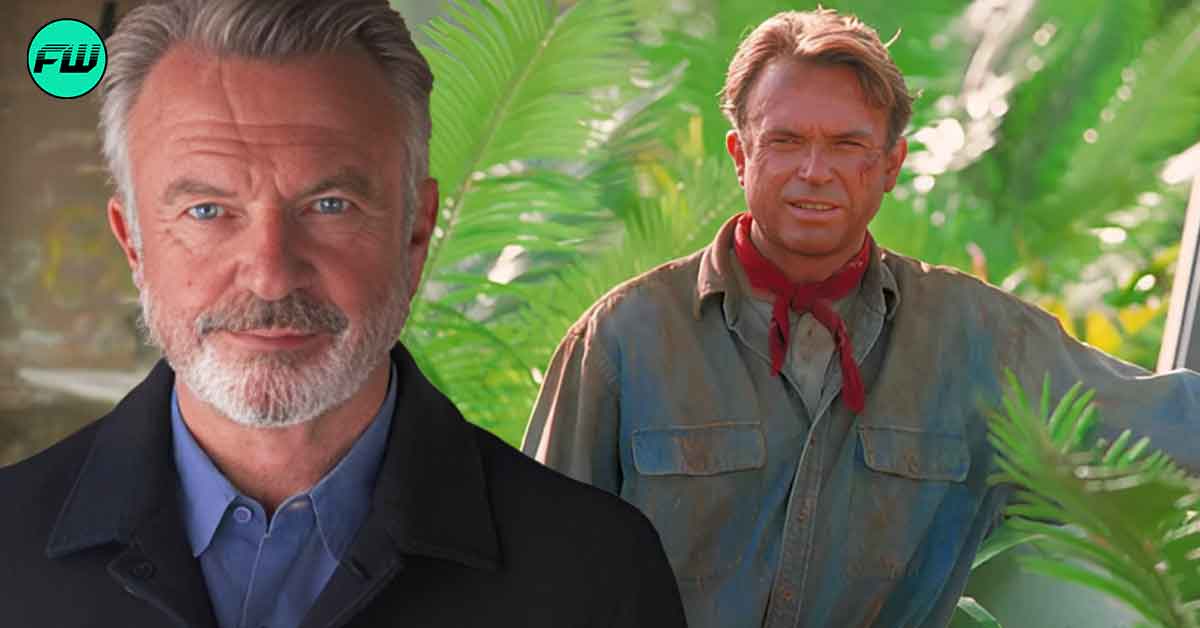
Sam Neill is back—this time not with a film premiere, but with a powerful personal announcement: he is cancer-free. The beloved actor, best known for his role as Dr. Alan Grant in Jurassic Park, shared the news in a candid and heartfelt update, closing a chapter marked by uncertainty, treatment, and quiet resilience. After months of battling non-Hodgkin lymphoma, Neill confirmed he has achieved remission, offering a message of hope that extends far beyond the world of cinema.
His story resonates not just because of his fame, but because of how openly he’s confronted a reality many face in silence. From diagnosis to recovery, Neill’s journey underscores the importance of early detection, access to care, and the emotional toll chronic illness can take—even on those who appear unshakeable on screen.
The Diagnosis That Changed Everything
In late 2022, Sam Neill received a diagnosis that shifted the trajectory of his life: stage 3 non-Hodgkin lymphoma. The disease, a type of blood cancer affecting the lymphatic system, often develops silently. Symptoms—fatigue, unexplained weight loss, swollen lymph nodes—can be easily dismissed, especially in high-functioning individuals with demanding lives.
Neill, then in his mid-70s, was no exception. He initially chalked up his symptoms to age or professional exhaustion. But when the signs persisted, he sought medical evaluation. The results were definitive.
What followed was immediate treatment: chemotherapy, blood monitoring, and regular hospital visits, all while maintaining a level of privacy that reflects his personal ethos. He didn’t make the diagnosis public until months later, choosing instead to focus on healing without spectacle.
This delayed announcement reveals a quiet dignity—one that many patients admire. “I didn’t want pity, and I didn’t want the world watching me suffer,” Neill later said in an interview. “I just wanted to get better.”
Why His Story Matters Beyond the Headlines
Sam Neill’s status as a cultural icon gives his health journey outsized visibility, but the value of his story lies in its universality. Non-Hodgkin lymphoma affects over 75,000 Americans annually, with incidence rates climbing globally. Yet public understanding remains limited.
His experience highlights key realities often overlooked:
- Early detection saves lives. Neill’s eventual decision to seek care—despite downplaying symptoms—likely improved his prognosis. Many delay medical visits due to stigma, fear, or misattribution of symptoms.
- Treatment is grueling, even with resources. Despite access to top-tier healthcare in New Zealand and Australia, Neill described chemotherapy as “brutal.” He lost his hair, endured nausea, and faced emotional lows. This underscores that privilege doesn’t shield anyone from the physical toll of cancer.
- Privacy is a legitimate choice. In an age of oversharing, Neill’s restraint was a form of control. He protected his mental space, allowing himself to focus on recovery without performance.
His journey reflects a broader truth: illness doesn’t discriminate. Whether you’re on a film set or in a factory, cancer demands surrender, adaptation, and resilience.
From Set to Recovery: Balancing Career and Health
Before his diagnosis, Neill remained actively engaged in his career. He had recently completed The Lord of the Rings: The Rings of Power and was involved in various international projects. The timing of his illness forced a pause—one that might have derailed a lesser personality.
But Neill adapted. He continued limited promotional work when energy allowed, even appearing in interviews via video call during treatment. This balance—between professional commitment and self-preservation—offers a model for others navigating illness in public-facing roles.
One notable example: during a 2023 promotional event for a documentary, Neill appeared visibly fatigued but composed. When asked about his health, he smiled and said, “Still here. Still fighting.” The moment went viral not because of drama, but because of its authenticity.
His ability to stay connected to his craft, even from a hospital bed, speaks to the identity many professionals tie to their work—and the challenge of stepping back without losing oneself.
The Emotional Weight of Going Public
When Neill finally disclosed his diagnosis in mid-2023, the response was overwhelming. Fans, co-stars, and fellow actors flooded social media with support. Laura Dern, his Jurassic Park co-star, shared a touching tribute, calling him “a pillar of strength and grace.”
But going public wasn’t just about receiving support—it was about reclaiming narrative control. By sharing his story on his own terms, Neill transformed a private struggle into a public act of courage.
More importantly, he used his platform to educate. He spoke openly about the importance of listening to your body, seeking second opinions, and not normalizing extreme fatigue. “Just because you’re tired doesn’t mean you’re just tired,” he warned—a phrase now echoed across health forums and patient communities.
His transparency also challenged outdated notions of masculinity in illness. For decades, male public figures have been expected to remain stoic, to “tough it out.” Neill’s willingness to admit fear, pain, and vulnerability dismantles that myth.
What Cancer-Free Actually Means
Reaching remission is a milestone, but it’s not the end of the journey. When Sam Neill announced he was cancer-free, he did so with cautious optimism—emphasizing that ongoing monitoring is essential.
Medically, “cancer-free” often refers to no detectable signs of disease after treatment. However, doctors typically avoid guaranteeing a permanent cure, especially with lymphomas that can recur. Patients like Neill enter a phase of surveillance: regular blood tests, scans, and clinical checkups.
For individuals in remission, the psychological burden can persist. Many experience “scanxiety”—anxiety leading up to follow-up tests. Others struggle with long-term side effects, like neuropathy or cognitive fog from chemotherapy.

Neill has acknowledged this duality. “I’m grateful,” he said. “But I know I’m not out of the woods. I’ll be checked for the rest of my life.” This honesty helps reset expectations: recovery isn’t a single moment, but a sustained process.
The Legacy of a Survivor
Beyond survival, Neill’s journey is reshaping his legacy. Once defined primarily by roles like Dr. Grant or The Piano’s Alisdair Stewart, he’s now also recognized as a health advocate—albeit an unintentional one.
His story has prompted conversations in unexpected places. In New Zealand, where he resides, local health departments reported increased inquiries about lymphoma screenings after his announcement. In online cancer support groups, his name appears frequently in threads about maintaining dignity during treatment.
Moreover, his experience underscores the role celebrities can play in destigmatizing illness. When someone like Neill—known for calm authority and dry wit—admits vulnerability, it gives others permission to do the same.
It’s not activism in the traditional sense. There are no campaigns, no foundation launches. Just honesty. And in today’s media landscape, that may be more powerful than any orchestrated initiative.
What’s Next for Sam Neill?
With treatment behind him, Neill has cautiously returned to work. He’s confirmed appearances at film festivals and is developing a memoir that will detail his cancer journey alongside his life in cinema.
More than projects, though, his focus seems to be on presence. He’s spoken about valuing time with family, enjoying simple pleasures, and no longer taking good health for granted. “I used to complain about hangovers,” he joked recently. “Now I’d kill for one.”
This shift—from ambition to appreciation—is common among survivors. It’s not about slowing down, but about redefining what matters.
Fans can likely expect to see him on screen again. But the man returning is subtly changed—not weaker, but wiser. There’s a depth in survivors’ eyes that no script can replicate.
A Message Beyond the Screen
Sam Neill’s announcement that he’s cancer-free is more than celebrity news. It’s a human story with universal threads: fear, endurance, hope. It reminds us that even those who play heroes aren’t immune to real-life battles.
But it also shows that survival is possible—not just physically, but emotionally and spiritually. His journey wasn't about defeating cancer with superhuman strength, but about enduring it with honesty, humor, and humility.
For those facing similar diagnoses, Neill’s experience offers quiet guidance: seek help early, protect your peace, and don’t rush the recovery. Healing isn’t linear, and visibility isn’t mandatory.
As he steps into this next phase, Sam Neill remains exactly what he’s always been—a compelling presence, on and off screen. Only now, his greatest role might be simply living.
Takeaway: If you’re experiencing persistent fatigue, unexplained weight loss, or swollen glands, don’t dismiss them. See a doctor. Early action can change everything—just as it did for one of cinema’s most enduring figures.
FAQ
What should you look for in Sam Neill Declares He’s Cancer-Free After Treatment? Focus on relevance, practical value, and how well the solution matches real user intent.
Is Sam Neill Declares He’s Cancer-Free
After Treatment suitable for beginners? That depends on the workflow, but a clear step-by-step approach usually makes it easier to start.
How do you compare options around Sam Neill Declares He’s Cancer-Free After Treatment? Compare features, trust signals, limitations, pricing, and ease of implementation.
What mistakes should you avoid? Avoid generic choices, weak validation, and decisions based only on marketing claims.
What is the next best step? Shortlist the most relevant options, validate them quickly, and refine from real-world results.