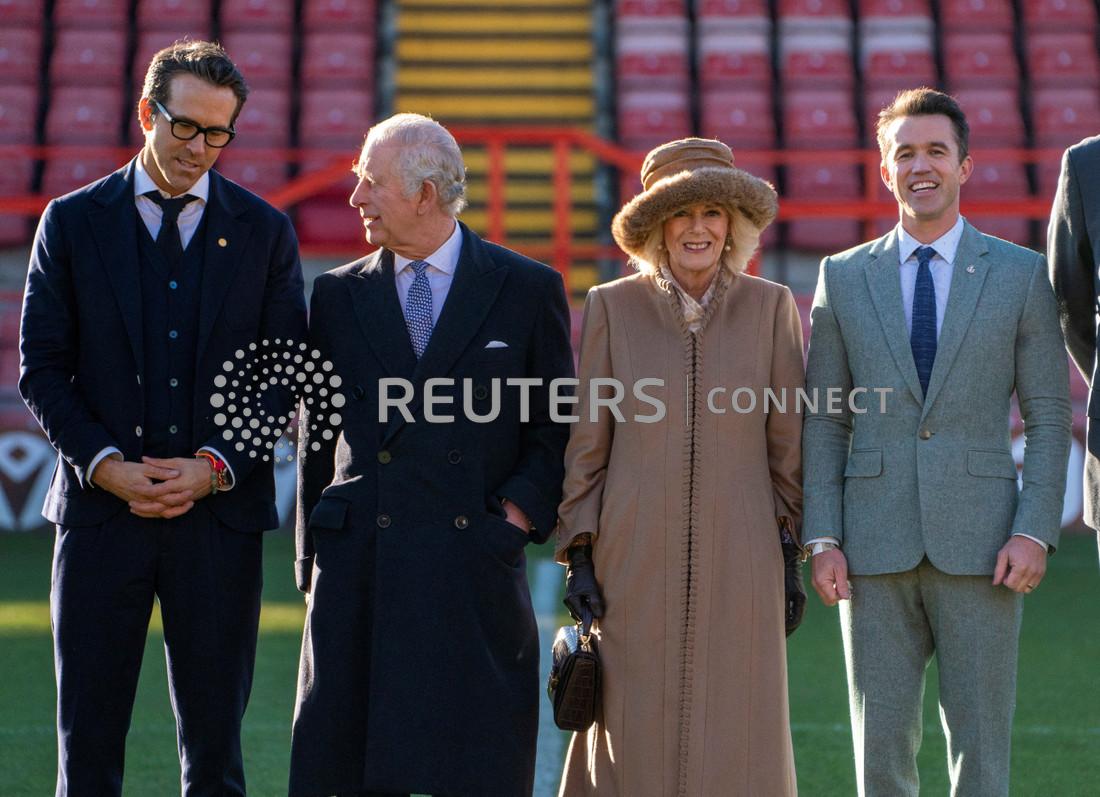
For decades, Wrexham was the kind of place people left behind. A post-industrial North Welsh town where factory closures erased jobs, hope, and footfall in equal measure. The weather wasn’t just grey — it felt symbolic. Then, in 2020, two Hollywood actors bought its struggling football club. Now, the skies are clearing. It's finally sunny in Wrexham — not just meteorologically, but culturally, economically, and emotionally.
This isn’t just a football story. It’s a masterclass in brand reinvention, community-led revival, and the power of authentic storytelling. Ryan Reynolds and Rob McElhenney didn’t just acquire a club — they ignited a movement.
From Obscurity to Global Spotlight
Wrexham AFC, founded in 1864, is the oldest professional football club in Wales. But for years, its legacy was buried under decades of underperformance, financial instability, and administrative neglect. By the time Reynolds and McElhenney stepped in, the club hadn’t seen the Football League since 2008. The Racecourse Ground, once a bustling fortress, often echoed with empty stands and fading chants.
The takeover was initially met with skepticism. Locals asked: What do two American actors know about Welsh football? But the duo’s approach was different from the start.
They didn’t parachute in with ego. They listened.
Their documentary series Welcome to Wrexham became the bridge. It introduced the world to the town’s cobbled streets, corner shops, and die-hard fans. More importantly, it showed their genuine curiosity and humility. This wasn’t a vanity project — it was a long-term investment in narrative and people.
The Hollywood Effect: More Than Just Money
Yes, Reynolds and McElhenney brought capital. Stadium upgrades, facility improvements, and professional scouting were funded swiftly. But the real transformation came from exposure.
Before the takeover, Wrexham AFC averaged around 2,500 fans per home game. By the 2023–24 season, that number had swelled to over 10,000 — with supporters flying in from the U.S., Canada, and Australia. Matchdays now resemble mini-festivals, with food trucks, live music, and themed jerseys.
The club’s global reach exploded:
- Official merchandise sales increased by over 800% in two years.
- Social media following grew from under 20,000 to more than 1.2 million across platforms.
- The documentary earned two Emmy nominations, amplifying Wrexham’s name far beyond sports circles.
This visibility wasn’t accidental. Reynolds leveraged his marketing savvy (seen in campaigns for Deadpool and Aviation Gin) to position Wrexham as more than a club — it was a brand with a soul.
Beyond the Pitch: Economic and Social Ripple Effects
Reviving a football club is one thing. Reviving a town is another. But in Wrexham, the two became inseparable.
Local businesses began reporting significant upticks. Pubs, cafes, and hotels near the Racecourse Ground saw weekend revenues double during match seasons. The council launched regeneration initiatives, citing renewed civic pride and investment interest.
But the deeper impact lies in perception.

Young people who once saw Wrexham as a stepping stone to bigger cities are now staying — or returning. One resident, a 28-year-old graphic designer, told The Guardian: “I moved back after living in Manchester for years. There’s a buzz now. It feels like we’re part of something.”
The club also launched community programs — youth academies, mental health outreach, and women’s football development. These weren’t PR stunts. They were embedded in the ownership’s stated mission: "We’re not just saving a club. We’re building a legacy."
The Role of Storytelling in Modern Revival
What sets Wrexham apart from other “plucky underdog” stories is authenticity. Too often, feel-good narratives feel manufactured. Here, the story is the strategy.
Welcome to Wrexham didn’t shy away from the town’s struggles. Episodes covered unemployment, generational decline, and small-business hardship. By showing the grit, not just the glory, the documentary built empathy — and audience loyalty.
This authenticity translated into trust. When the club launched a “Sons & Daughters” membership program (offering discounted tickets to locals), it sold out in hours. Fans didn’t feel exploited — they felt included.
Compare this to other celebrity-led sports ventures. Few have avoided the trap of perception: rich outsiders using a community as a toy. Wrexham’s owners sidestepped it by making the town the hero — not themselves.
The Football Rebuild: Patience Over Quick Fixes
While the cultural impact was immediate, football success required patience.
The first few seasons under the new ownership were turbulent. Despite investment, the team failed to gain promotion through the National League playoffs. Critics questioned whether Hollywood flair could translate to on-field results.
Then came 2023. Under manager Phil Parkinson, Wrexham secured promotion to EFL League Two — the first step back into the English Football League in 19 years. The following season, they repeated the feat, earning back-to-back promotions to League One.
This double promotion wasn’t luck. It was strategy:
- Data-driven recruitment using analytics platforms.
- Investment in sports science and recovery facilities.
- A clear playing philosophy centered on high-press, attacking football.
Crucially, the owners resisted the urge to overspend on flashy signings. Instead, they focused on players with emotional connection to the club or region — like local boy Jordan Davies, whose last-minute goal sealed promotion in 2023.
Marketing Genius: How Reynolds and McElhenney Sold a Town
Reynolds didn’t just promote the club — he made it culturally relevant.
Through witty social media posts, cross-promotions with Deadpool, and viral campaigns (like the “Wrexham in Hollywood” pop-up event), the club entered the mainstream conversation. Even non-football fans knew the name.
But the most effective move? Involving the fans.
Instead of top-down branding, the club crowdsourced ideas — from kit designs to community events. A “Red Wall” fan group was given a formal advisory role. This participatory model built ownership — literally and emotionally.
Other clubs are taking notes. Swansea, Dundee United, and even smaller U.S. teams are exploring similar fan-engagement models, inspired by Wrexham’s playbook.
Risks and Realities: Can the Momentum Last?
Despite the success, challenges remain.
Promotion means higher operating costs, stiffer competition, and greater scrutiny. The club must now compete with teams that have bigger budgets and infrastructure. Can they sustain growth without overspending?
There’s also the risk of over-commercialization. As global fans pour in, long-time supporters worry about ticket prices rising and local culture being diluted.
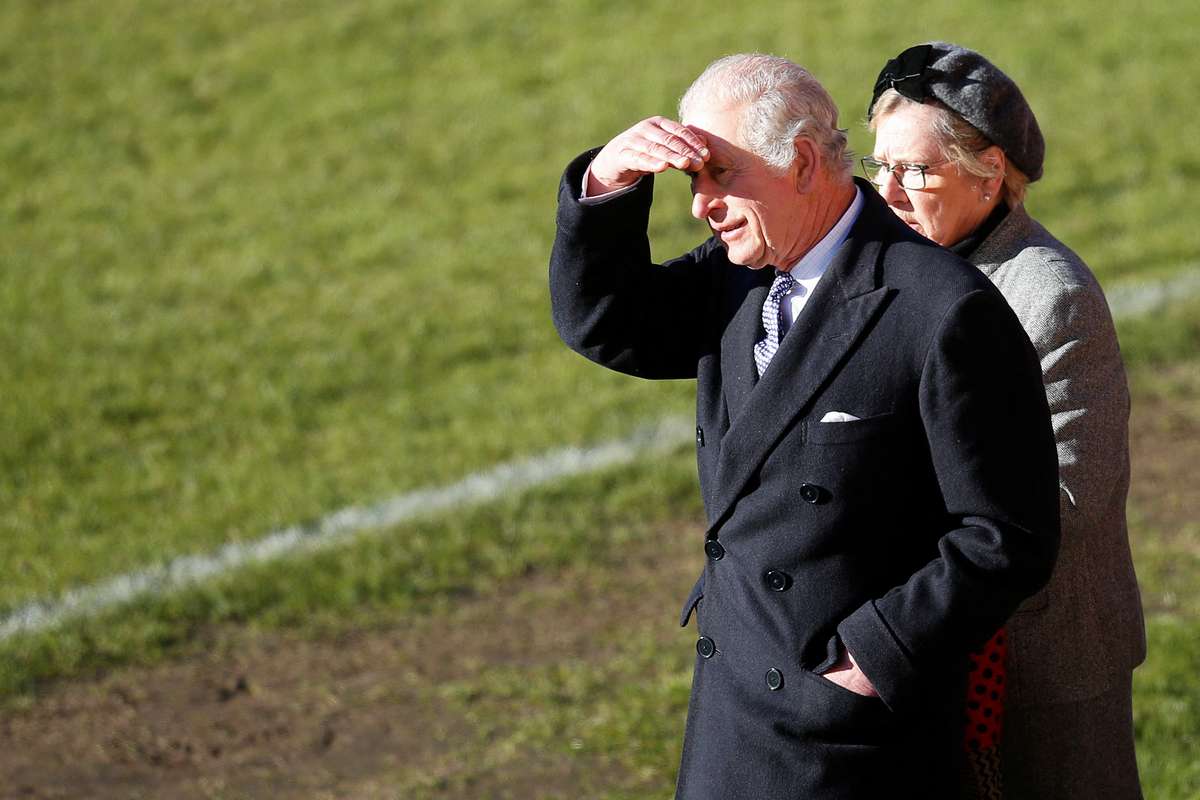
So far, the ownership has been responsive. They’ve capped away ticket prices, maintained affordable season tickets for locals, and prioritized local hiring. But the balance is delicate.
Another concern: dependency on two individuals. What happens if Reynolds and McElhenney lose interest? Their commitment has been unwavering, but entertainment careers are unpredictable.
Yet, the structures they’ve built — professional management, community programs, global branding — suggest the project is designed to outlive any one person.
The Blueprint for Towns in Transition
Wrexham’s story isn’t replicable in every detail. Not every struggling town has a historic football club — let alone one that attracts A-list investors.
But the principles are transferable:
- Authentic storytelling builds trust. People support narratives they believe in.
- Community inclusion drives ownership. Top-down revivals fail. Bottom-up energy sustains.
- Culture can be economic catalyst. A strong identity attracts investment, tourism, and talent.
- Patience pays off. Real transformation takes years, not viral moments.
Towns across the UK — from Hartlepool to Burnley — are now studying Wrexham’s model. Some are exploring community-owned sports clubs as anchors for regeneration. Others are investing in local storytelling and digital branding.
It’s no longer just about jobs and infrastructure. It’s about pride.
The Sun Stays Up — For Now
“It’s finally sunny in Wrexham” started as a metaphor. But today, it’s almost literal. The town feels lighter, louder, more alive.
The Hollywood dream didn’t erase Wrexham’s past — it recontextualized it. The scars of deindustrialization are still visible, but now they’re part of a larger comeback story.
And as the club climbs the football pyramid, the town climbs with it — not because two actors showed up, but because they chose to listen, invest, and include.
For any community feeling forgotten, Wrexham offers a lesson: revival doesn’t require a miracle. It requires belief, strategy, and a willingness to tell your story — honestly.
Start there. The sun might just come out.
FAQ
Why did Ryan Reynolds and Rob McElhenney choose Wrexham? They wanted a historic club with a passionate fanbase and a compelling underdog story. Wrexham’s deep roots and struggles offered both narrative potential and opportunity for impact.
Has Wrexham AFC’s success been sustained on the pitch? Yes. The club achieved back-to-back promotions from the National League to League One, showing consistent improvement under new management and investment.
Are ticket prices still affordable for locals? The owners have implemented pricing policies to protect local fans, including capped prices for away games and affordable season tickets for residents.
How has the documentary impacted the town? Welcome to Wrexham brought global attention, boosted tourism, supported local businesses, and helped reshape the town’s national and international image.
Is the club still community-focused despite global growth? Yes. The ownership maintains strong community programs, local hiring, and fan engagement initiatives to ensure grassroots inclusion.
What are the biggest challenges ahead for Wrexham AFC? Sustaining financial stability at higher league levels, managing rising expectations, and balancing global fan growth with local identity.
Could this model work for other towns? Elements of it can — particularly community-led storytelling, inclusive branding, and using cultural assets (like sports) as economic levers.
FAQ
What should you look for in It's Finally Sunny in Wrexham: Hollywood’s Game-Changing Bet? Focus on relevance, practical value, and how well the solution matches real user intent.
Is It's Finally Sunny in Wrexham: Hollywood’s Game-Changing Bet suitable for beginners? That depends on the workflow, but a clear step-by-step approach usually makes it easier to start.
How do you compare options around
It's Finally Sunny in Wrexham: Hollywood’s Game-Changing Bet? Compare features, trust signals, limitations, pricing, and ease of implementation.
What mistakes should you avoid? Avoid generic choices, weak validation, and decisions based only on marketing claims.
What is the next best step? Shortlist the most relevant options, validate them quickly, and refine from real-world results.