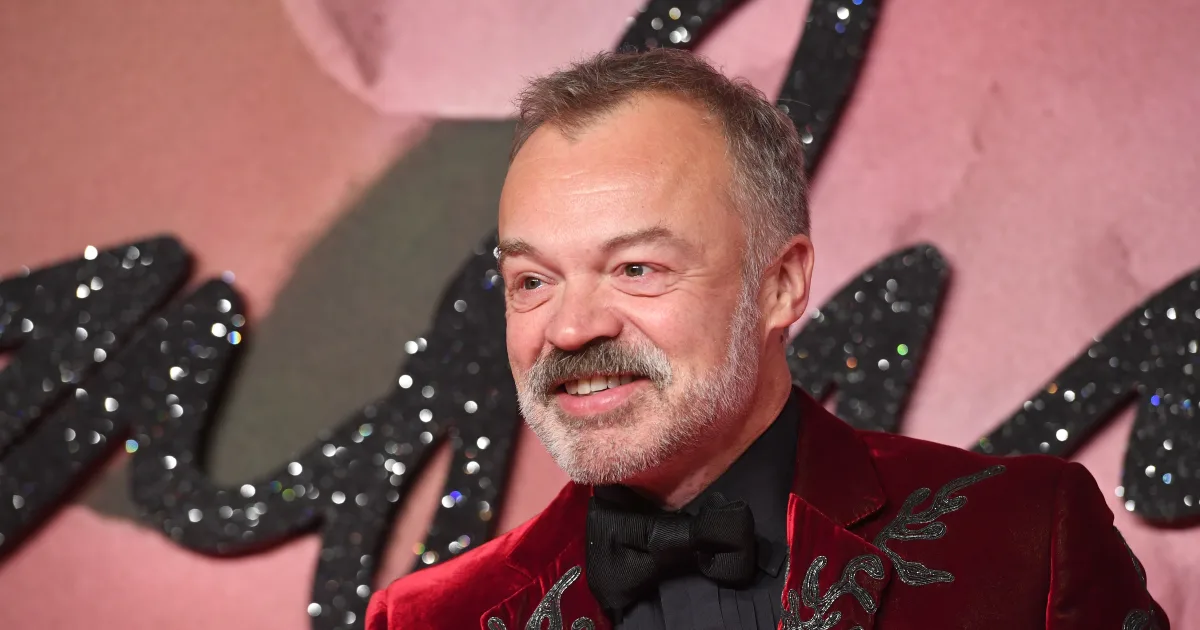
When a host has interviewed everyone from Sir Paul McCartney to Kim Kardashian while also guiding Eurovision through decades of glitter, camp, and geopolitical voting drama, you know the stories behind the camera are just as electric as what airs. Graham Norton, Britain’s most trusted chat-show conductor and Eurovision maestro, doesn’t just host—he orchestrates cultural moments with a raised eyebrow and a perfectly timed sip of water. Now, he’s finally spilling the tea on what really goes down during taping, the wild truths behind Eurovision’s biggest nights, and why RuPaul’s Drag Race UK feels like home.
The Art of the Talk Show: How Norton Keeps Stars Loose (and Loquacious)
There’s a reason celebrities keep coming back to Norton’s red chair: he knows how to disarm. It’s not just the cheeky quips or the ability to turn awkward pauses into comedy gold—it’s his uncanny sense for when to push and when to pull back.
Take the time Jennifer Lopez froze mid-sentence after a question about her relationship with Ben Affleck. Instead of digging, Norton pivoted instantly: “Well, Ben’s probably watching this at home, so I’ll just leave that one hanging, shall I?” The studio erupted. Lopez laughed, tension dissolved.
That’s his signature: balance. He’s intimate without being intrusive, bold without crossing the line. His secret? Prep. Norton and his team research guests obsessively—not just their latest project, but their past interviews, pet peeves, and even their preferred drink backstage. (He keeps a running list: Beyoncé likes warm water with lemon, Elton John prefers tea with two sugars.)
But even the best prep can’t prevent chaos. Norton once had to scramble when a guest’s segment ran 17 minutes over because they kept “forgetting” to stop crying. His fix? Cut the next guest’s monologue and rework the script on the fly. “That’s live television,” he says. “You either panic or pivot. I’ve learned to pivot.”
Common Talk Show Pitfalls Norton Avoids: - Over-rehearsed questions → He keeps intros conversational, not robotic. - Ignoring body language → If a guest tenses up, he shifts topics fast. - Chasing viral moments → He’d rather have authenticity than a meme.
Eurovision: More Drama Than the Performances
If the Eurovision Song Contest were a soap opera, Graham Norton would be both narrator and producer. His commentary for the BBC—witty, irreverent, and often brutally honest—has become as essential as the contest itself.
He doesn’t hold back. When a country’s entry features inexplicable pyrotechnics and a dancer in a lobster costume, Norton will say: “I’m not sure what just happened, but it looked expensive and slightly concerning.” Fans eat it up.
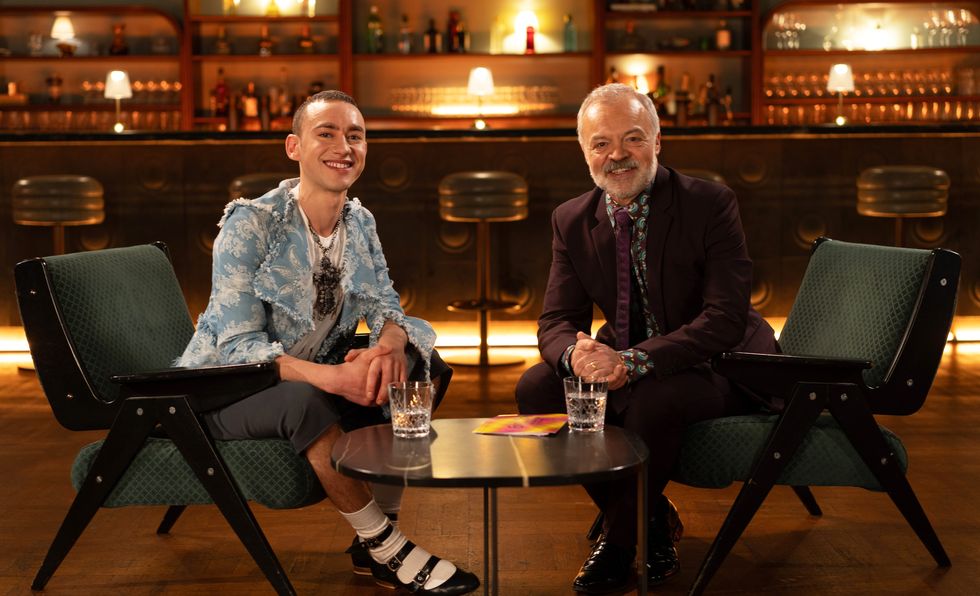
Behind the scenes, Eurovision is a circus. Norton recalls the year the Irish delegation lost their backing track minutes before going on stage. “They stood there for 30 seconds of dead air. I nearly cried for them. Then they started singing a capella—and it was better.” That moment didn’t make the final cut, but it’s the kind of raw, unscripted emotion Norton lives for.
And then there are the politics. Voting blocs, neighborly favoritism, the infamous “diaspora vote.” Norton doesn’t pretend it’s fair. “It’s never just about the song,” he admits. “It’s about history, geography, and who hosted your cousin’s wedding in 2007.”
Yet he defends the madness. “Eurovision isn’t about perfection. It’s about passion. It’s about a man in sequins singing about potatoes in Klingon. That’s joy.”
Why Drag Race UK Feels Like a Norton Family Reunion
When RuPaul’s Drag Race UK launched, there was only one voice the BBC trusted to host: Graham Norton. It wasn’t just his LGBTQ+ allyship (long-standing and genuine), but his understanding of camp, timing, and the fine line between satire and sincerity.
His rapport with the queens is instant. He doesn’t treat them like characters; he treats them like artists. “Drag isn’t a costume to me,” he says. “It’s transformation, commentary, survival.”
Norton’s interviews dig deeper than the average red carpet chat. When he sat down with Lawrence Chaney, the first plus-size winner of the UK series, the conversation shifted from wigs to body image. “You didn’t just win a crown,” Norton told her. “You broke a ceiling.” The moment went viral—not because of a punchline, but because of its quiet power.
And yes, there’s tea. He once asked The Vivienne if she’d ever lip-sync for her life against a politician. “Boris Johnson,” she said instantly. “I’d drag him into the 21st century.” Norton nearly fell off his chair.
The Secret Sauce: Norton’s Hosting Philosophy
So what makes Norton different in an age of click-driven interviews and influencer fluff? Three things:
- He listens more than he talks. While other hosts race to their next joke, Norton waits. He lets guests breathe, fumble, reveal.
- He respects the audience. No inside jokes, no elitism. His humor lands whether you’re in Glasgow or Georgia.
- He’s unafraid of silence. In a world of nonstop content, Norton knows the power of a pause.
It’s a craft, not a performance. And it shows.
When the Script Breaks: Norton’s Most Unscripted Moments
Not everything goes to plan—even for the master of control.
- The Wine Incident: Mid-interview with Renée Zellweger, Norton reached for his glass, knocked it over. Red wine down the front of his white shirt. “Well,” he said, unfazed, “that’s one way to make a statement.” The clip got 3 million views.
- Technical Glitch: During a live Eurovision broadcast, the feed cut out for 90 seconds. Norton riffed the entire time, telling a fake story about a Norwegian singer who trained seals to harmonize. It was so convincing, fans later asked when the segment aired.
- Surprise Guest: Madonna once showed up unannounced after filming her segment. Norton invited her on anyway, no prep, no prompt cards. “She talked about motherhood, failure, reinvention. One of my favorite interviews ever.”
These moments—unedited, unpredictable—are what people remember.
Why Other Hosts Can’t Replicate the Norton Effect
Plenty have tried to copy the formula: the red chair, the cheeky tone, the celebrity lineup. But they miss the core.
Norton isn’t performing likability—he is likable. He’s not pretending to be surprised—he is surprised. His empathy isn’t curated; it’s instinctive.
Compare him to late-night American hosts: sharper, faster, more political. Norton’s humor is warmer, drier, more British. He’s not here to roast—he’s here to connect.
And when it comes to Eurovision and Drag Race, his insider-outsider status works perfectly. He’s part of the LGBTQ+ community’s cultural fabric, but not so close that he can’t laugh at its excesses. He’s a fan first, host second.
The Legacy: More Than a Voice, More Than a Chair
Graham Norton isn’t just a presenter. He’s a cultural translator.
He takes the absurdity of Eurovision and makes it accessible. He elevates drag performers to mainstream icons without stripping their edge. He gets movie stars to say things they’ve never said before—not because he ambushes them, but because he makes them feel safe.
In an era of outrage, algorithms, and soundbites, Norton’s brand of television feels like a relief. Honest. Human. A little bit messy.
And the tea he spills? It’s never mean. It’s never exploitative. It’s the kind that comes from sitting around after the cameras stop, laughing over a second glass of wine.
So next time you tune in—whether it’s for a tearful celebrity confessional, a Eurovision meltdown, or a Drag Race reunion—remember: what you’re really watching is trust in motion.
Actionable Takeaway: Want to host like Norton? Stop chasing punchlines. Start listening. Prepare deeply. Respect your guests and your audience. And for God’s sake—keep a spare shirt backstage.
FAQ
What makes Graham Norton’s talk show different from others? His blend of warmth, wit, and deep listening creates a rare comfort zone where guests open up naturally, not because they’re prompted, but because they feel safe.
How long has Graham Norton hosted Eurovision for the BBC? Since 2009, becoming the face of the UK’s commentary with his irreverent, insightful, and often hilarious take on the contest.
Does Graham Norton have a favorite Eurovision performance? He’s cited Conchita Wurst’s 2014 win as “a cultural milestone,” and Lordi’s 2006 victory as “the most joyously ridiculous thing I’ve ever seen.”
Why was Graham Norton chosen to host Drag Race UK? His long-standing support of LGBTQ+ culture, sharp comedic timing, and ability to balance humor with respect made him the natural choice.
Has Graham Norton ever interviewed RuPaul? Yes—multiple times. Their chats are full of mutual admiration, camp references, and surprisingly deep conversations about identity and performance.
Does Norton write his own material? He works closely with a writing team but heavily shapes the tone and content, especially for Eurovision and live segments.
What’s one thing guests say about being interviewed by Norton? Many describe it as “effortless”—like chatting with a clever, kind friend who just happens to have a camera rolling.
FAQ
What should you look for in Graham Norton Spills the Tea on Talk Shows, Eurovision, and Drag Race? Focus on relevance, practical value, and how well the solution matches real user intent.
Is Graham Norton Spills the Tea on Talk Shows, Eurovision, and Drag Race suitable for beginners? That depends on the workflow, but a clear step-by-step approach usually makes it easier to start.
How do you compare options around Graham Norton Spills the Tea on Talk Shows, Eurovision, and Drag Race? Compare features, trust signals, limitations, pricing, and ease of implementation.
What mistakes should you avoid? Avoid generic choices, weak validation, and decisions based only on marketing claims.
What is the next best step? Shortlist the most relevant options, validate them quickly, and refine from real-world results.